Cooling problems usually start with a measurement: oil flow, heat load, ambient temperature, pressure drop or a leak rate. These notes follow that practical order, with links to the product pages used for replacement or custom design.
Use the list as a diagnostic index rather than a catalog: a temperature complaint may lead to cooler sizing, a pressure-drop issue to flow review, and a leak to joint or material inspection. For a machine-specific decision, collect the fluid, flow, inlet temperature, ambient condition and allowable pressure drop before comparing articles; the same measurement can point to a different component depending on whether the problem is heat rejection, flow restriction or mechanical condition.
Start with the operating condition
Before selecting a replacement, record the fluid, flow, inlet temperature, ambient condition, allowable pressure drop and service environment. A temperature complaint can come from insufficient heat rejection, restricted flow or a mechanical failure; the notes below are organized to help separate those cases before a part is ordered.
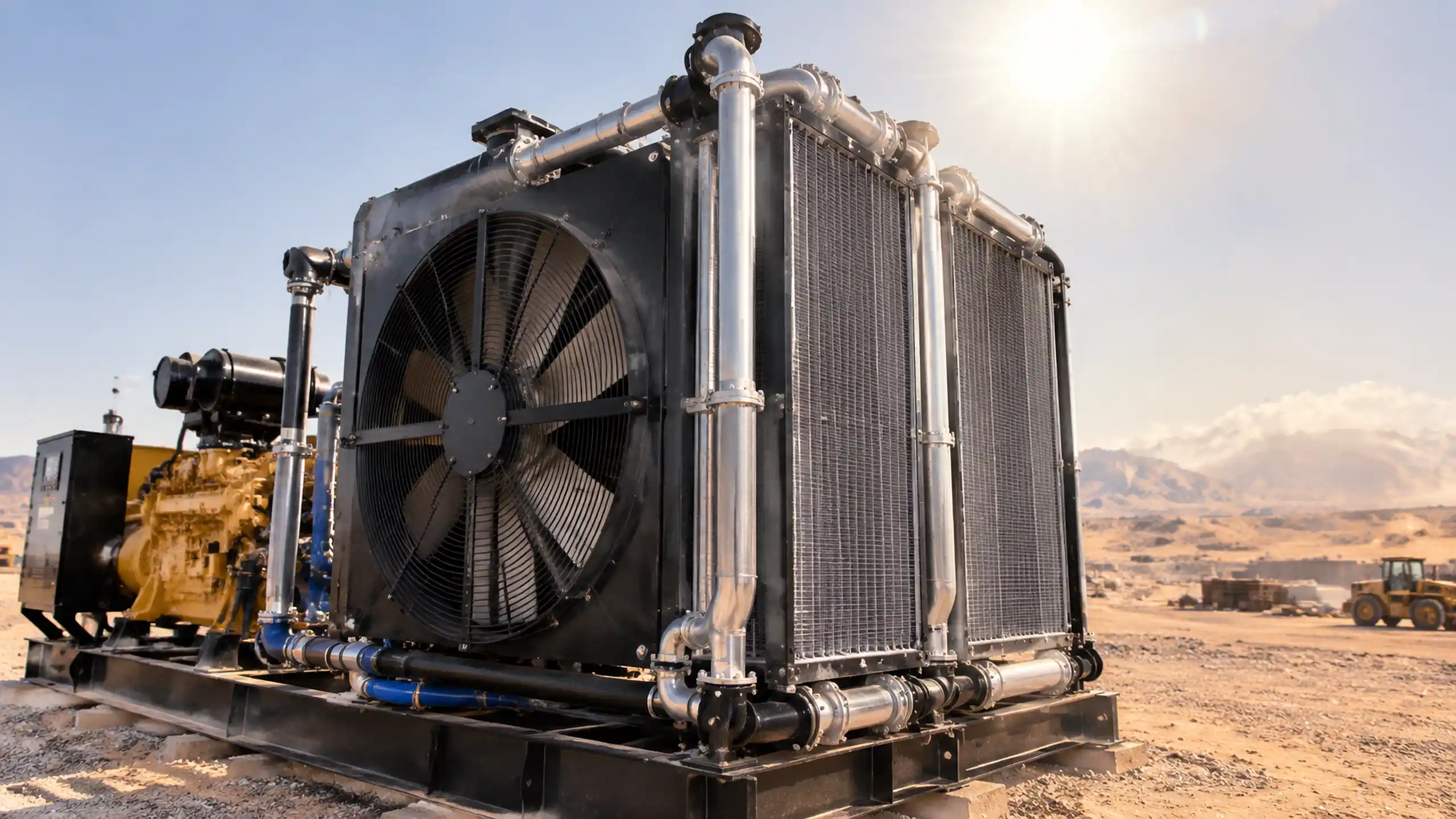
A 2000kW generator set at 50°C ambient needs a heat-balance-based radiator design, not a catalogue row count. This worked example covers heat load, air density, face area, fan pressure, ATB and test acceptance.
Air-cooled or water-cooled oil cooler? Compare working principle, efficiency, space, water availability and running cost to pick the right one for your hydraulic system.
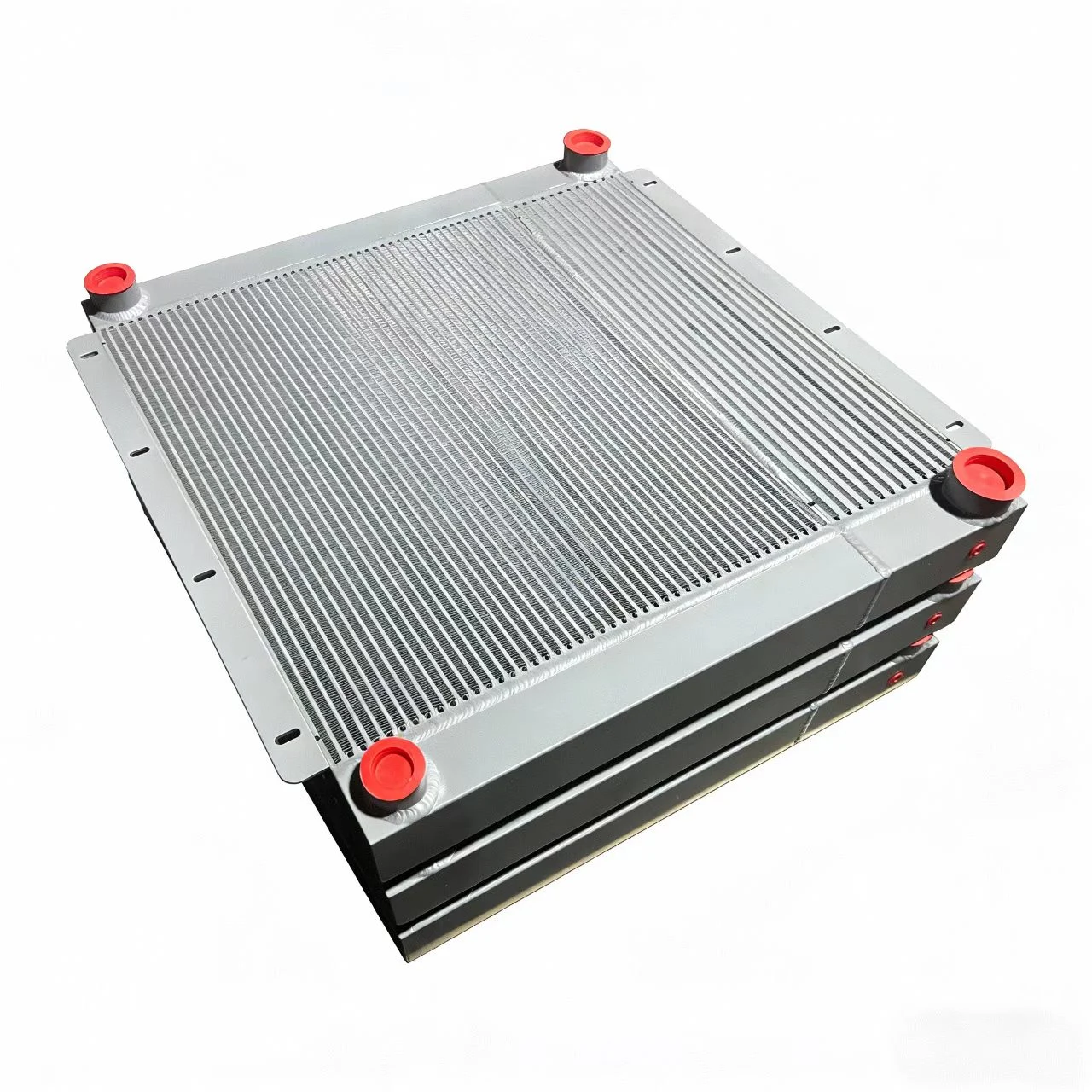
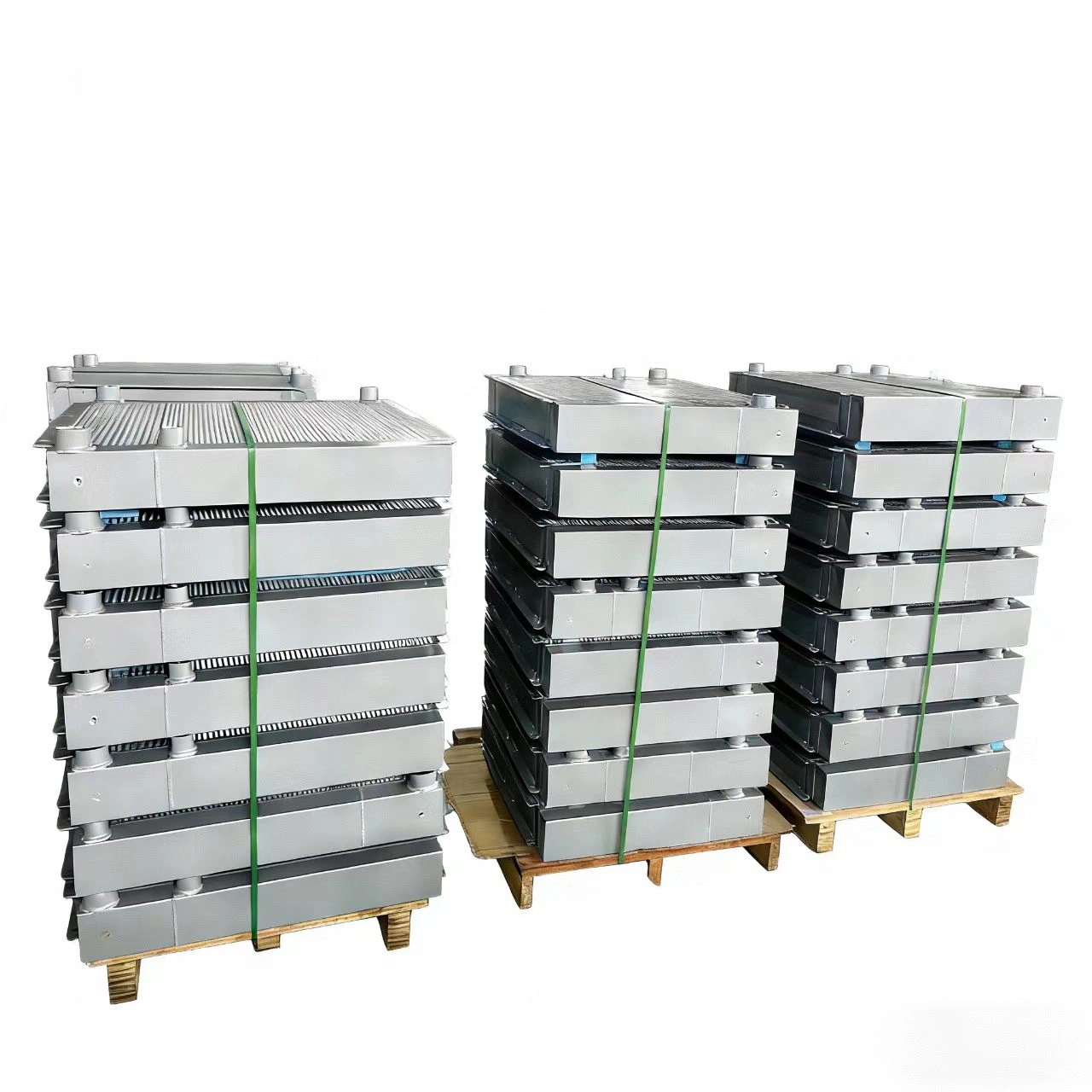
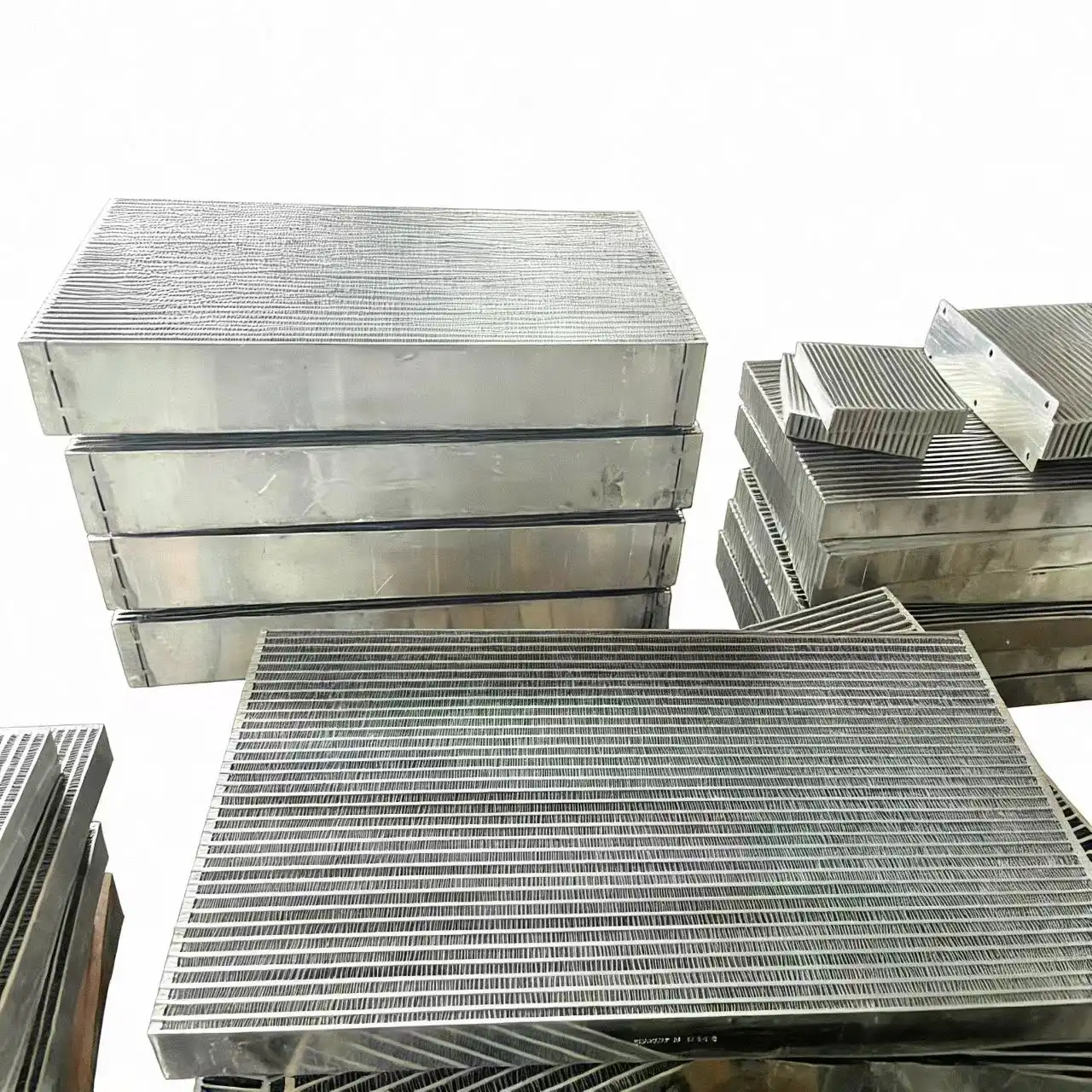
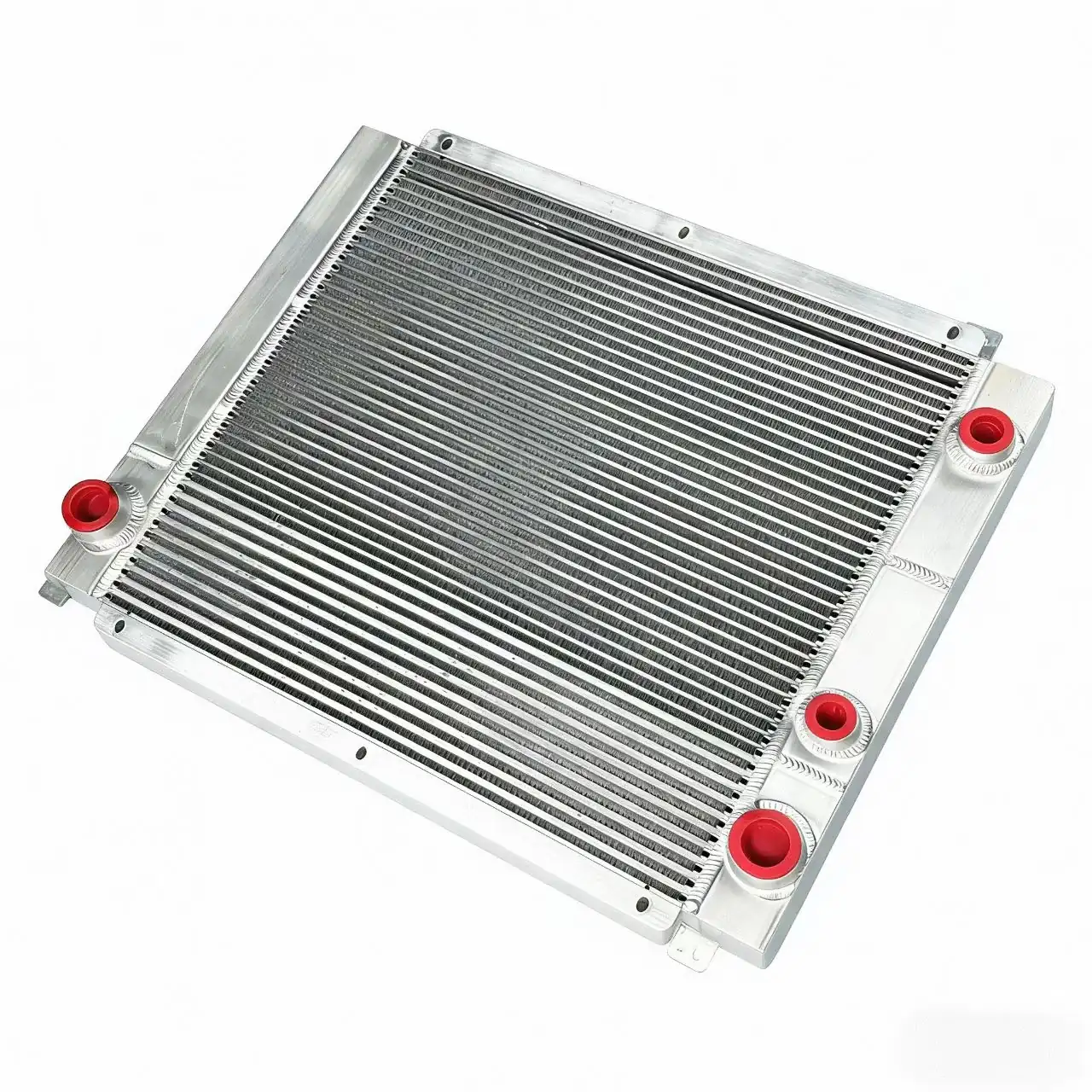
Learn how to calculate and size a bar and plate oil cooler for industrial hydraulic systems using heat load, LMTD, U-value, required area and a 15-20% safety margin.
Choosing between a bar and plate and a tube and fin heat exchanger comes down to pressure rating, weight and thermal efficiency. Compare the two designs, then download the free PDF guide.
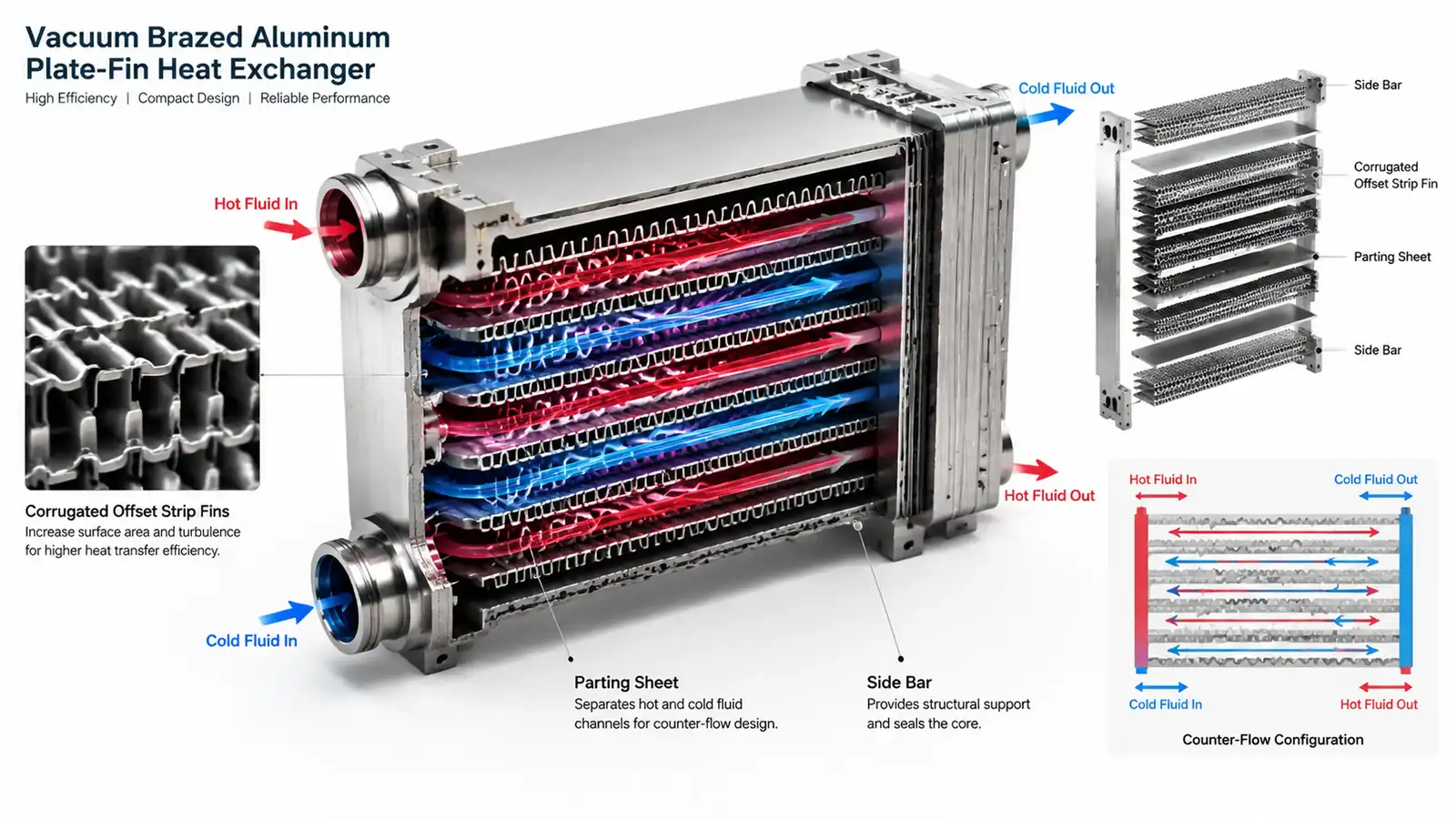
Learn how to calculate the required surface area of a custom plate-fin heat exchanger using heat duty, LMTD, the correction factor F, U-value and fin efficiency.
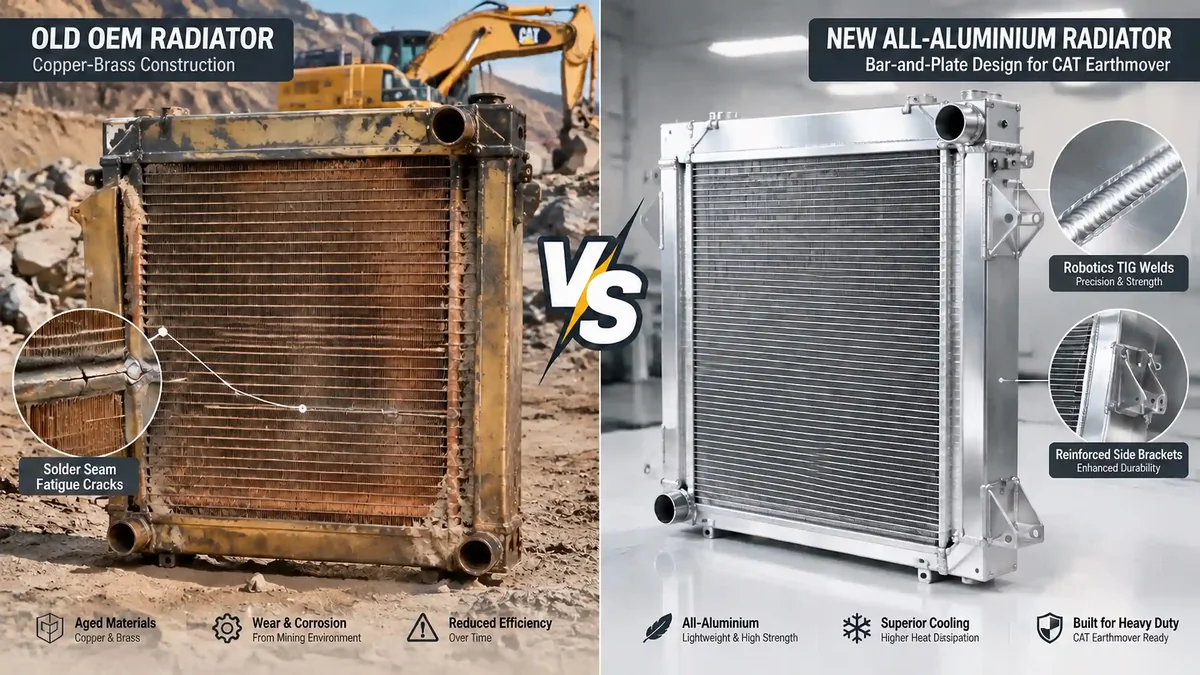
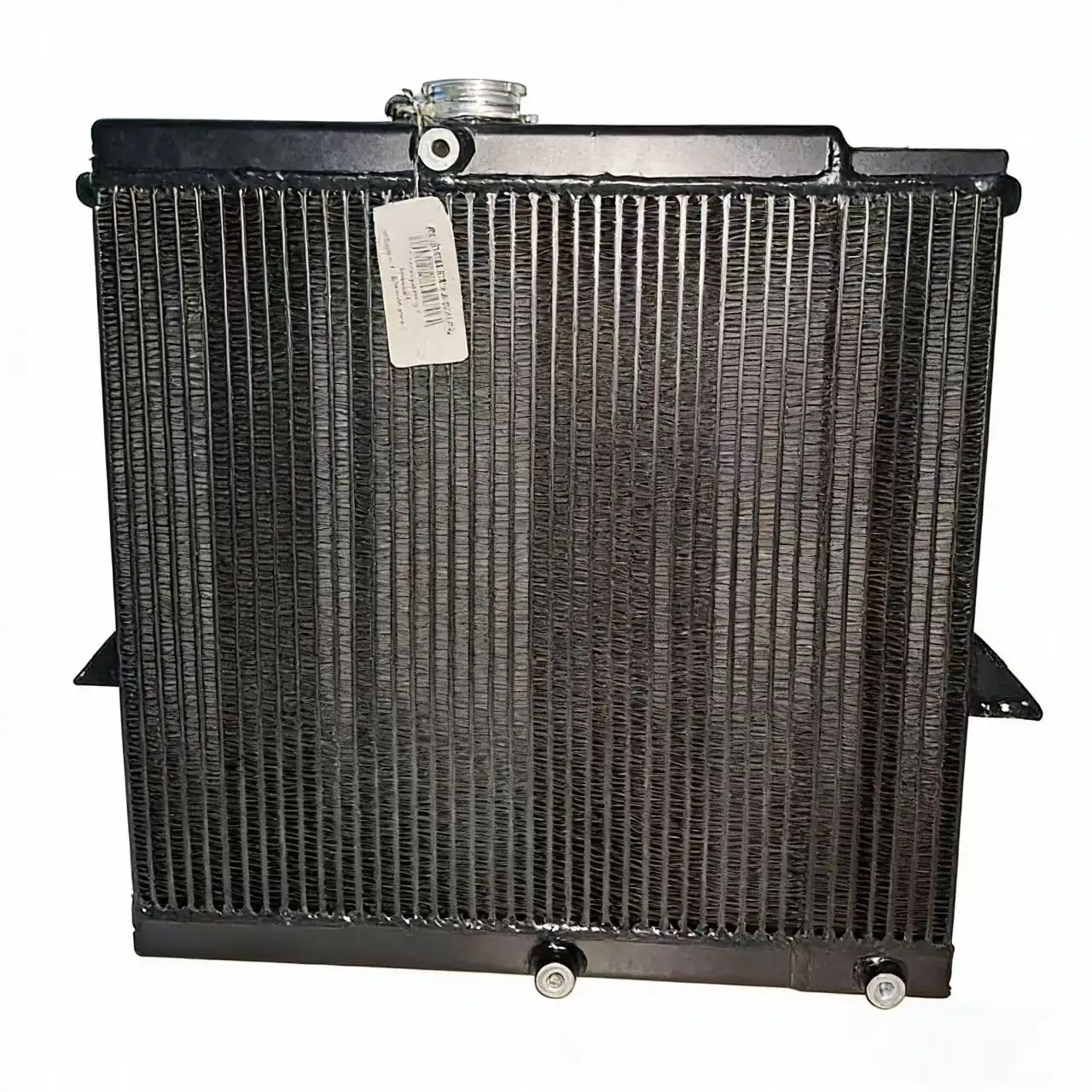
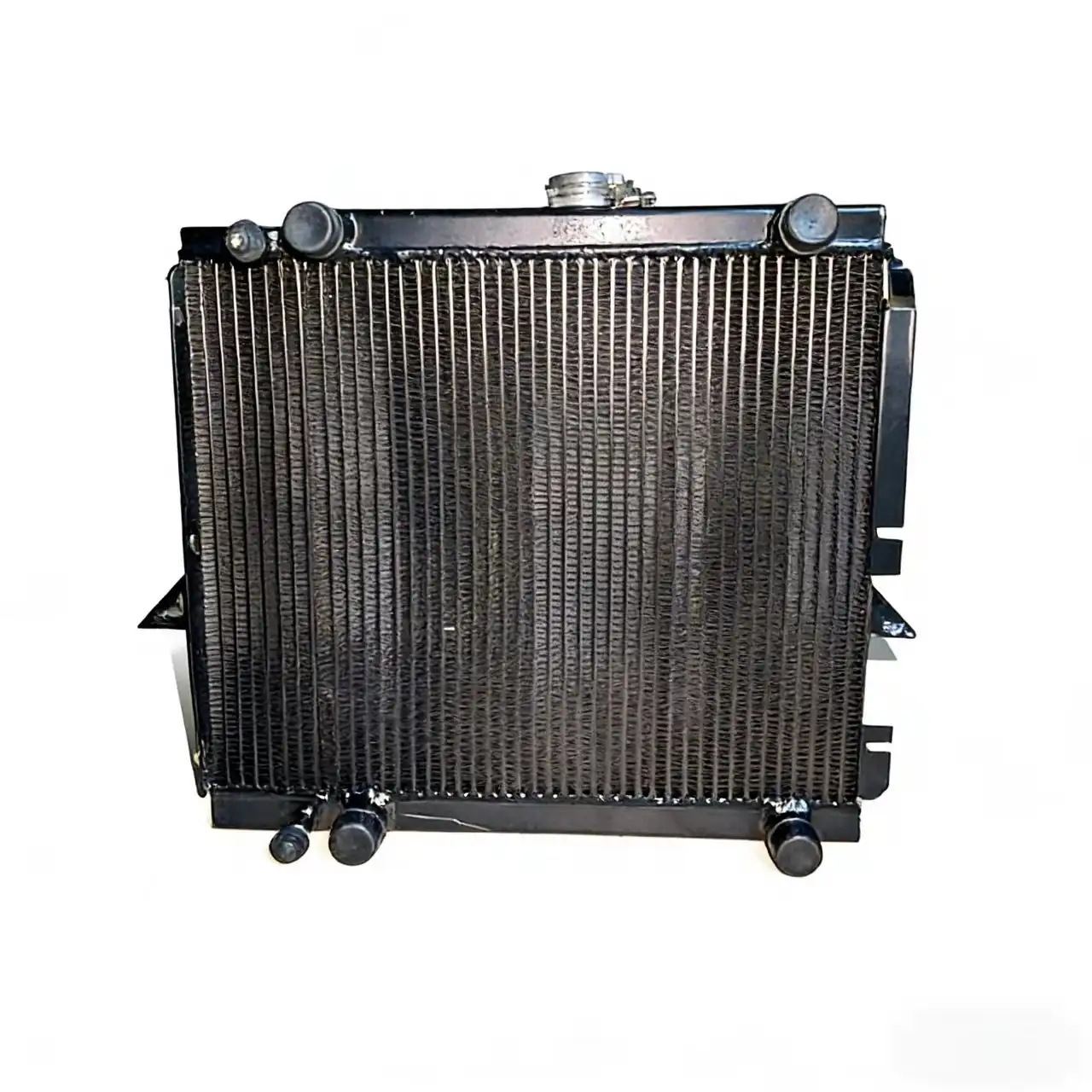
Replacing a CAT excavator copper-brass radiator with a heavy-duty aluminium unit is a fitment, airflow, vibration, coolant and pressure-job, not a simple material swap.
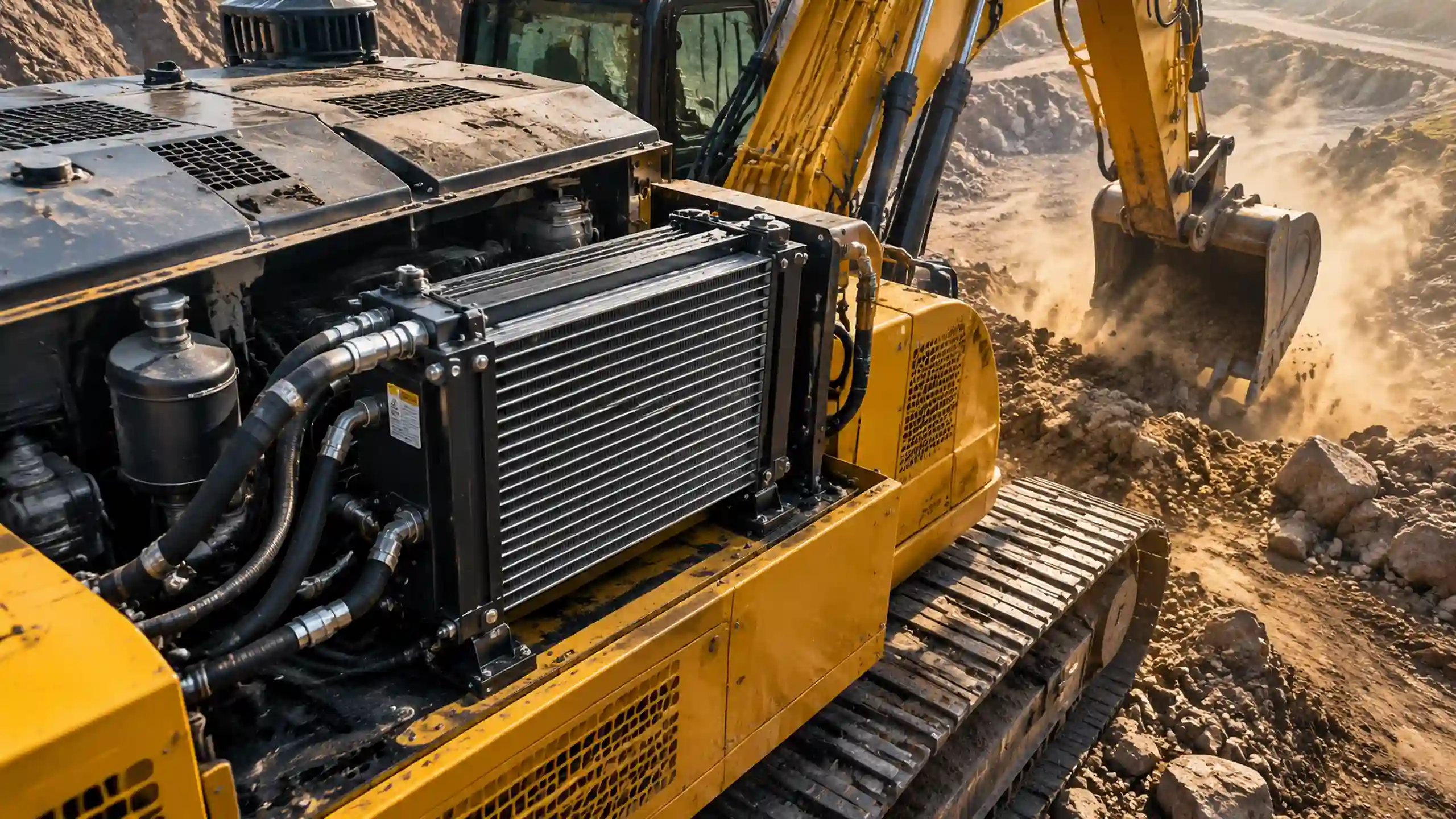
El sobrecalentamiento del enfriador de aceite hidráulico en maquinaria pesada puede venir de falta de aire, una válvula de derivación abierta o pérdida de flujo interno. Estas comprobaciones separan la causa antes de limpiar o sustituir el enfriador.
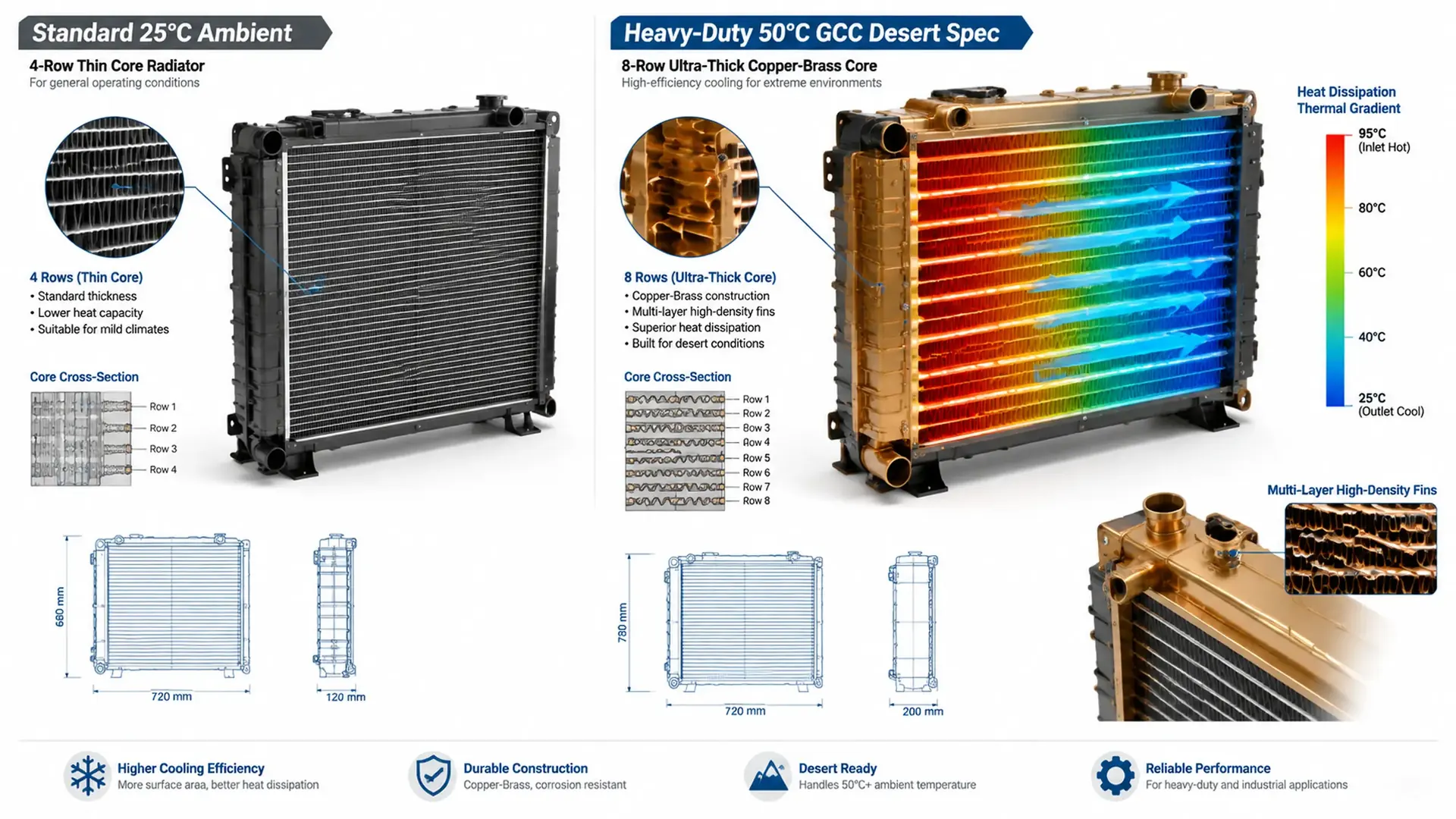
Sizing a genset radiator for 50°C ambient temperature in Middle East GCC conditions requires a low ITD, thicker 6-row or 8-row cores, higher fan static pressure and desert-grade materials.
Heavy-duty diesel engines rely on liquid cooling because coolant carries far more heat than air. This guide explains the cooling loop, plate-fin heat exchangers and industrial radiator sourcing.
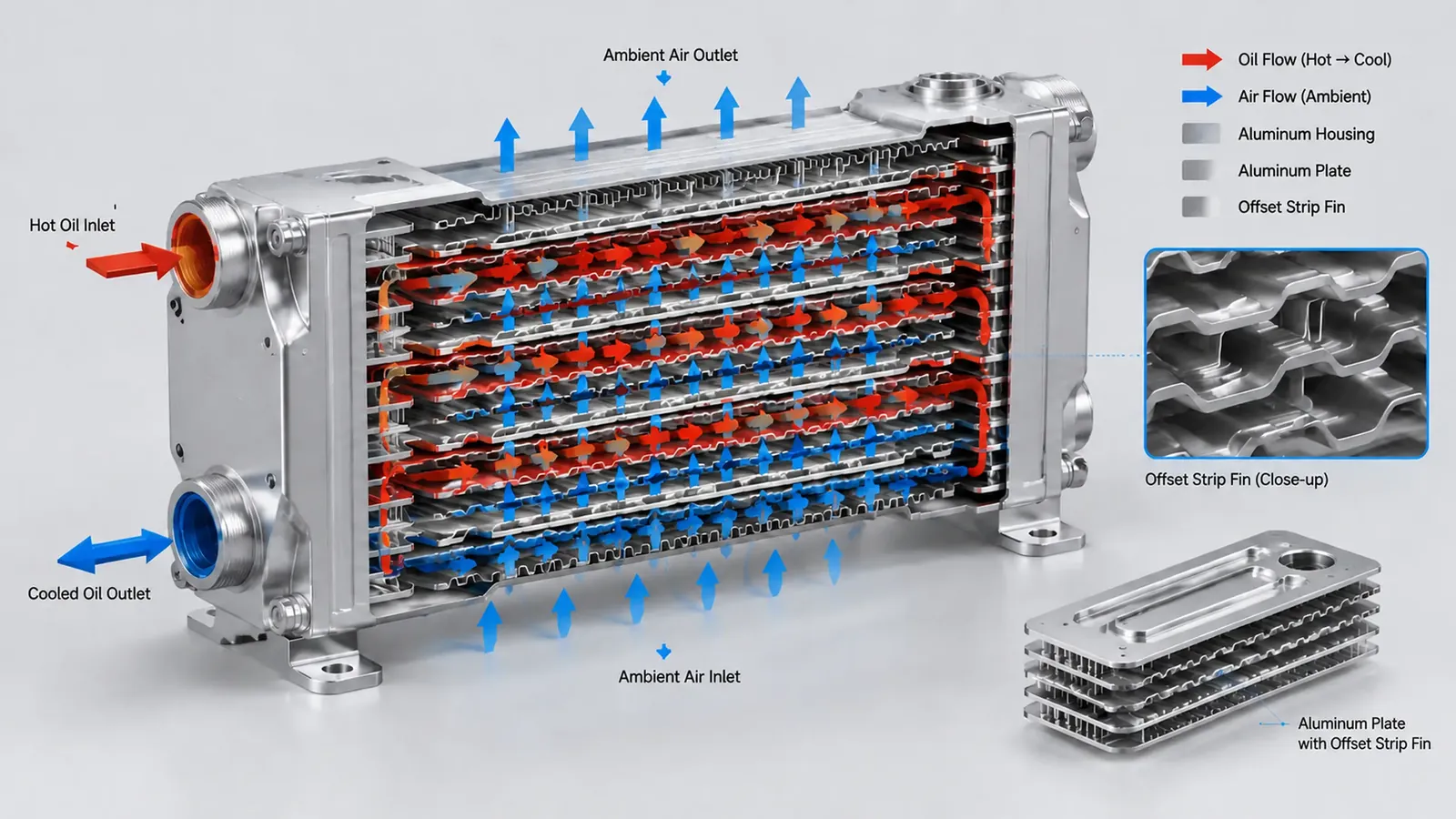
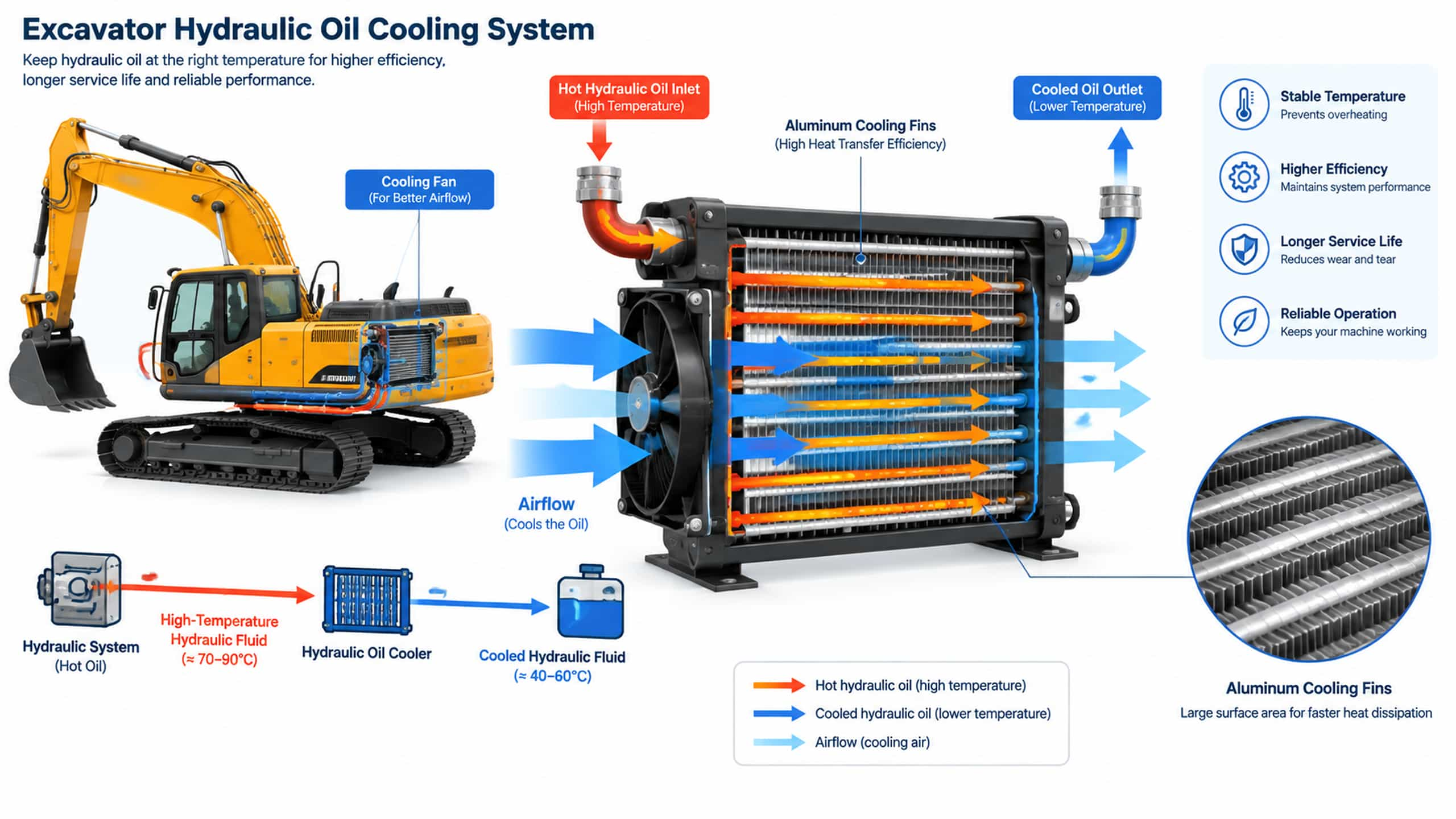
An oil cooler is a heat exchanger: hot oil walks through metal channels and hands its heat to air or water. Here is a simple, step-by-step explanation.
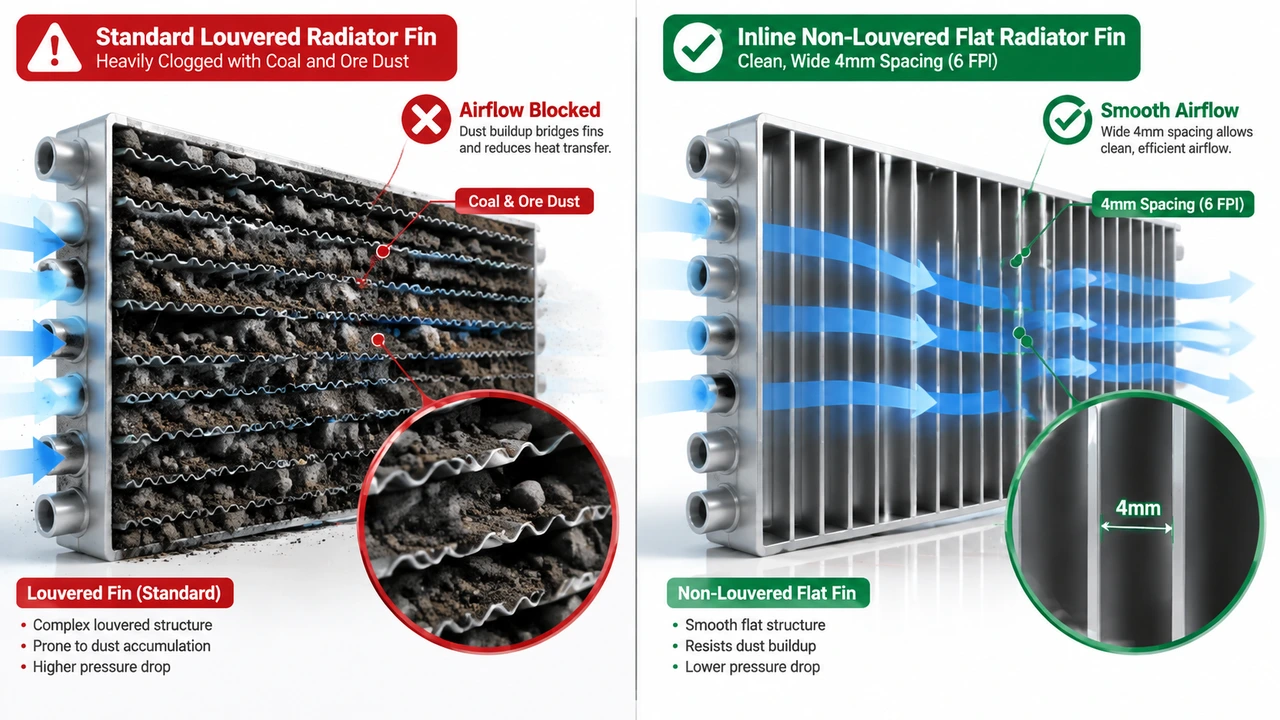
Heavy-duty radiator clogging in open-pit mining blocks airflow and drives engine overheating. Learn how non-louvered 6-8 FPI fins and reversible fans keep the core clear in severe dust.
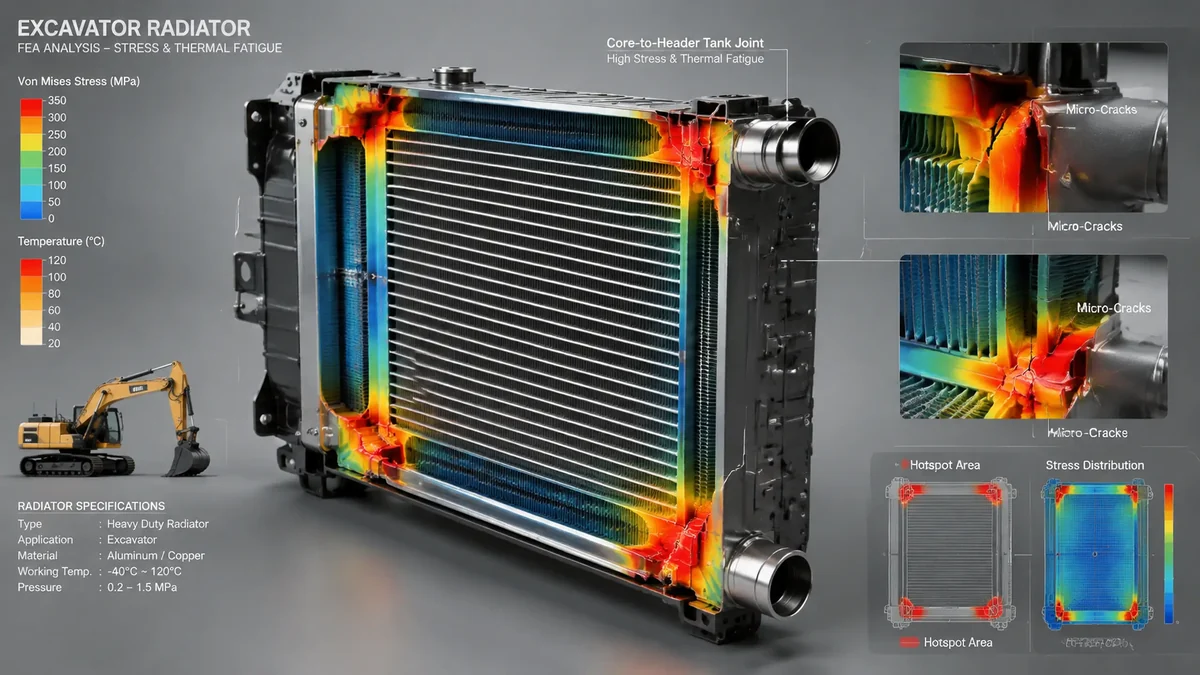
Core-to-header cracking in Komatsu excavator radiators usually traces to frame deflection, thermal cycling, mounting stress or a joint design that cannot tolerate the duty cycle.
A few simple checks keep your oil cooler at full performance for years. Fins, fans, water side, thermostats and oil quality - what to inspect and when.
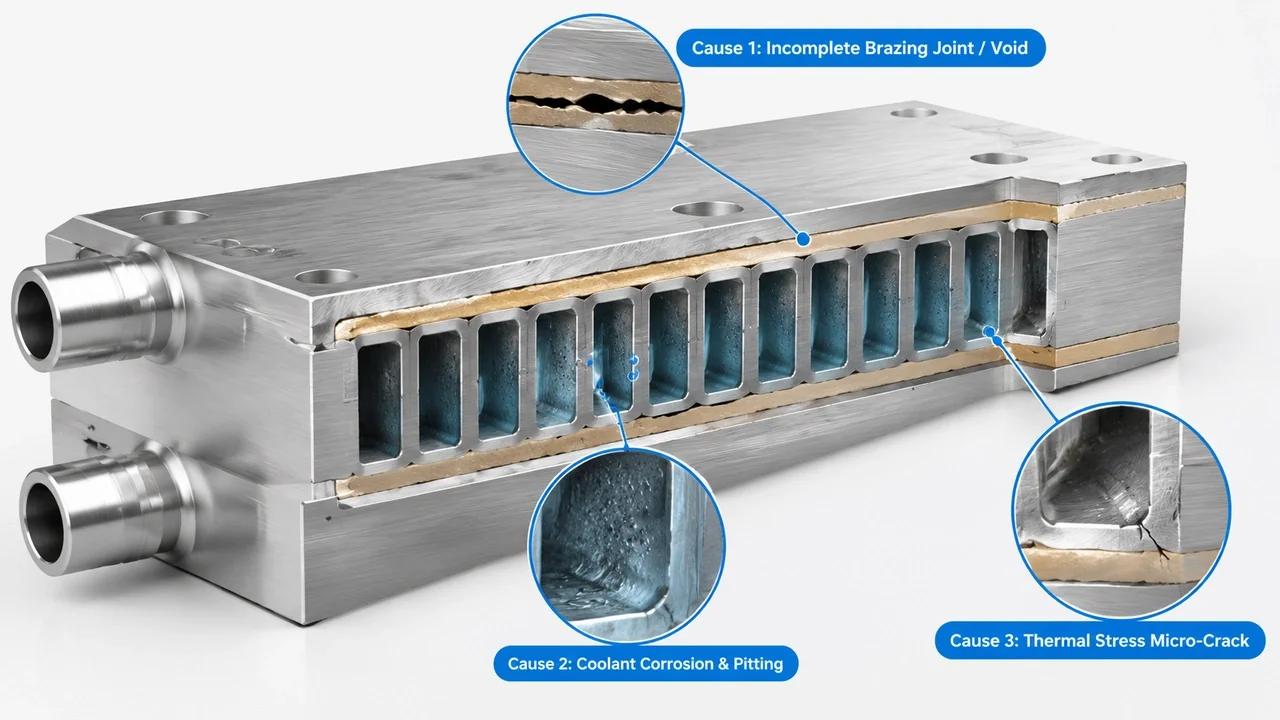
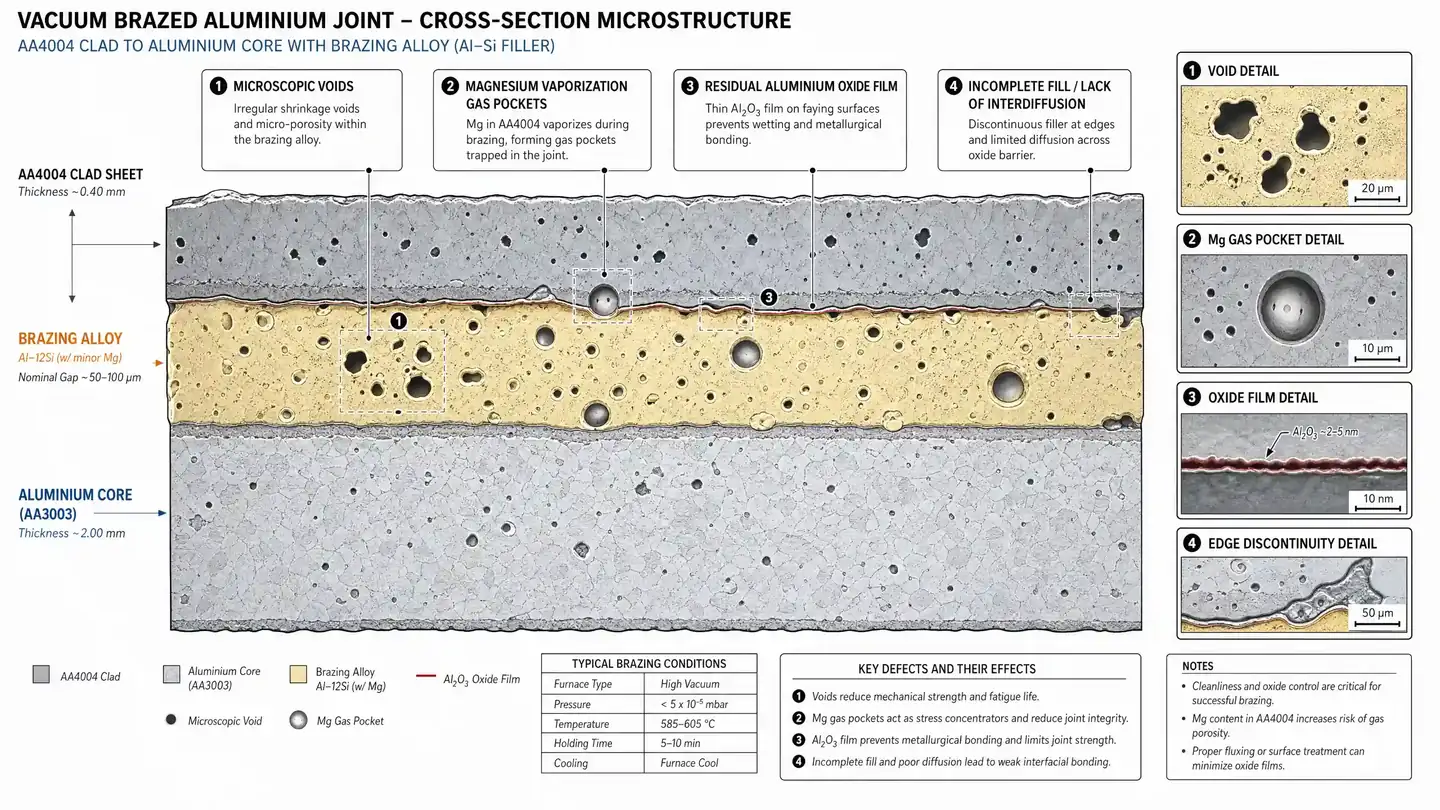
Internal leakage in vacuum brazed cold plates usually comes from three flaws: incomplete brazing fill, coolant corrosion and thermal fatigue. Here is how to spot and prevent each one.
Micro-leaks in vacuum brazed aluminium cold plates usually trace back to filler flow, oxide condition or thermal stress at the braze joint. This technical note covers the checks, controls and test methods.
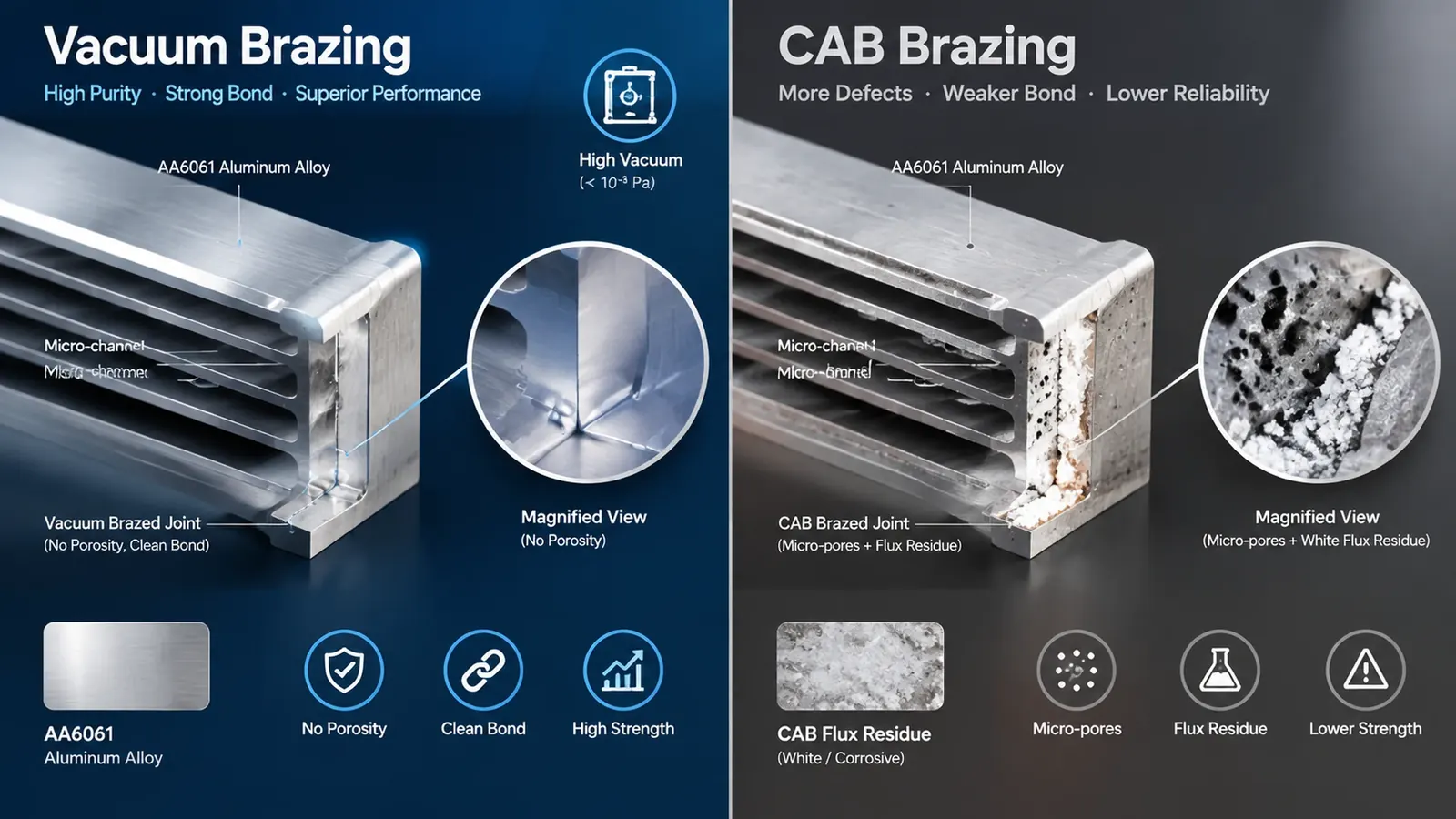
Compare vacuum brazing and CAB for high-pressure aluminum heat exchangers, including flux residue, magnesium-containing alloys, porosity control and pressure qualification.
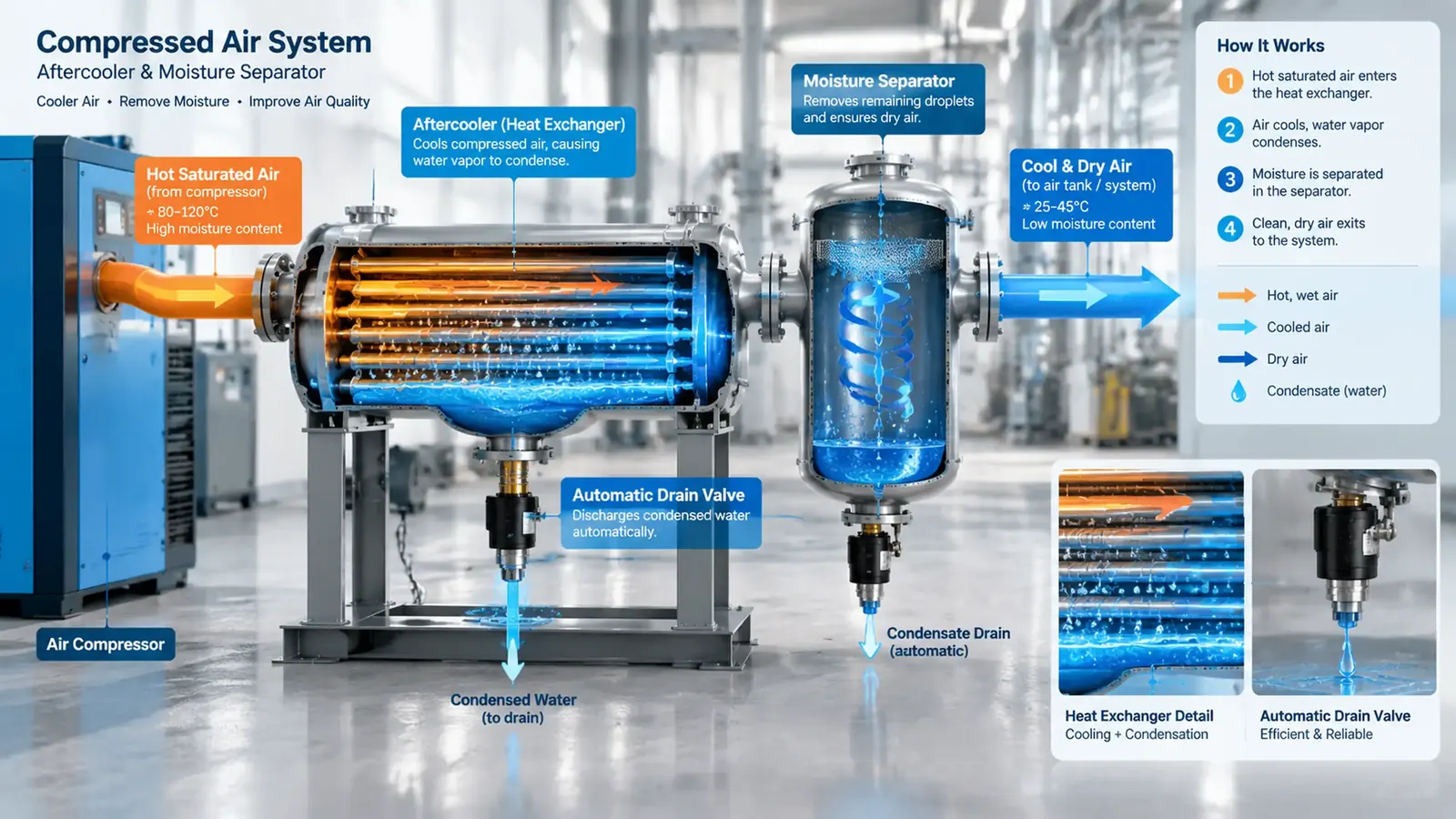
Water in compressed air lines after the aftercooler usually points to high CTD, a clogged drain or poor moisture separation. Learn how to diagnose the cause and specify a reliable replacement.
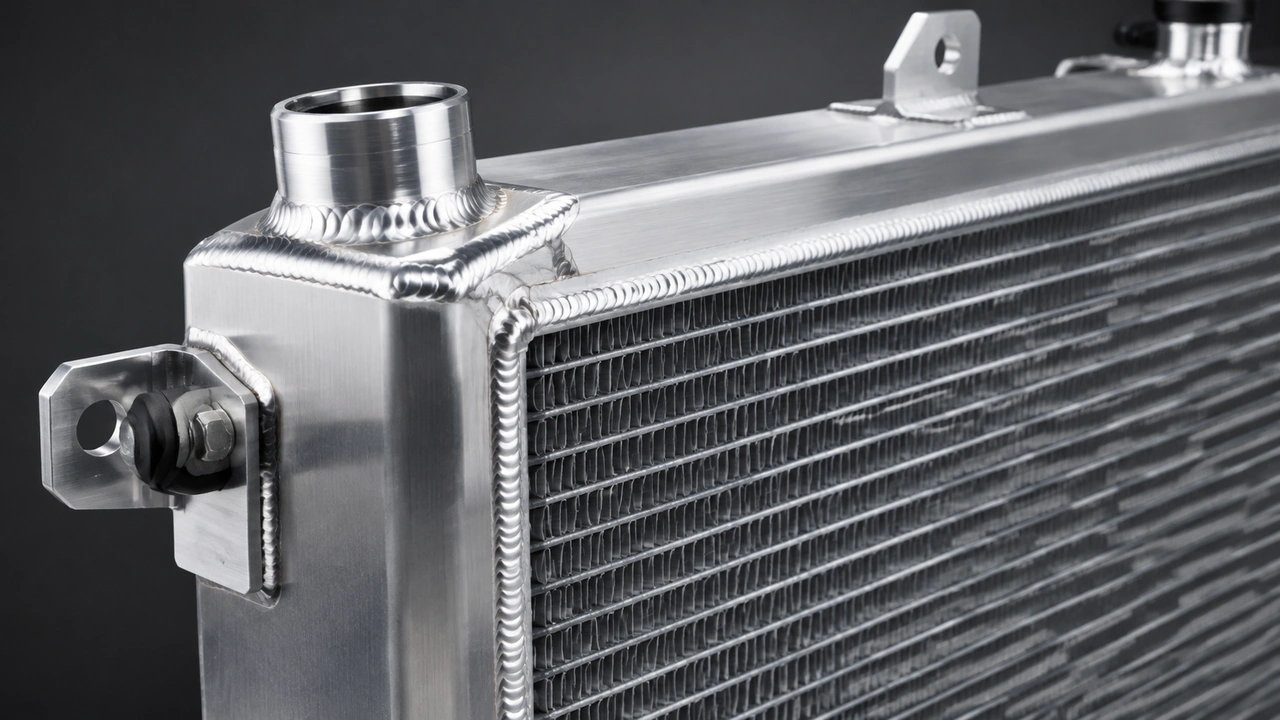
Repeated excavator radiator leaks usually start at the header-to-core joint. Learn the vibration, thermal shock and pressure causes, how to verify them, and when a fully welded aluminum replacement is the better fix.
Oil cooler passages that are too narrow create high pressure drop and rob your hydraulic system of flow. Here is why it matters, how good design avoids it, and how 100% pressure testing proves it.
Hydraulic oil works best in a narrow temperature band. Here is why 40-60 C matters, what happens when oil overheats, and how oil coolers - from hydraulic circuits to circular vacuum pump radiators - keep your system healthy.